
Physician apps now touch nearly every part of modern medical practice. They reduce paperwork, improve patient communication, and support better clinical decisions. But adopting new technology without a clear compliance plan can create serious liability exposure for independent practitioners.
This guide explains how to use physician apps effectively while keeping your practice protected.
Why Physician Apps Have Become Essential for Independent Practitioners
Independent physicians, Direct Primary Care providers, and specialists work in a complex environment. Patient expectations are rising. Documentation requirements keep growing. The margin for error keeps shrinking.
Physician apps help address these pressures directly. Clinical decision support tools keep practitioners current with evidence-based guidelines. EHR-integrated apps simplify charting. Telemedicine platforms extend patient access to care. When used thoughtfully, these tools improve both efficiency and outcomes.
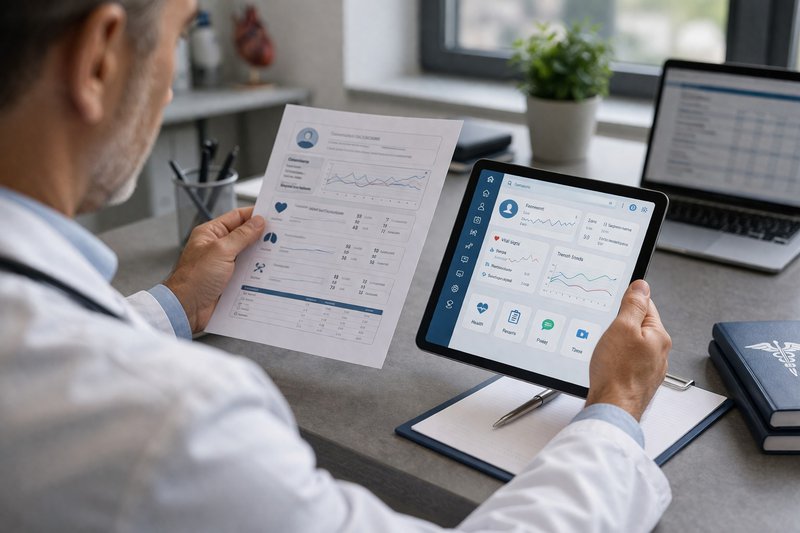
However, many practitioners adopt apps quickly without vetting how those tools handle patient data. That gap is where liability problems begin.
Understanding the Compliance Rules That Govern Physician Apps
Before adding any new tool to your workflow, you need to understand the rules that apply to it.
- HIPAA is the central framework. Any app that stores or transmits protected health information (PHI) must follow the HIPAA Privacy and Security Rules. Therefore, your app vendor should sign a Business Associate Agreement (BAA) with your practice. If a vendor cannot provide a BAA, that is a serious warning sign.
- State-level regulations add another layer. Several states have privacy and telehealth laws that go beyond federal rules. As a result, practitioners who deliver care across state lines need to review each state's specific requirements.
- FDA oversight applies to some clinical tools as well. The FDA regulates apps that act as medical devices. So tools that diagnose or monitor specific conditions may need clearance before you use them in practice.
Using a non-compliant app, even by mistake, can expose your practice to fines and civil liability.
Where Technology Use Can Create Liability Exposure

Even well-designed physician apps can create liability exposure when used carelessly.
- Overreliance on clinical decision support is a growing concern. These tools support your judgment. They do not replace it. If you act on an app's recommendation without applying your own reasoning, and a patient is harmed, you bear full responsibility.
- Documentation gaps also create risk. If you use a digital tool during a visit but do not record it in the patient file, rebuilding the course of care in a dispute becomes much harder.
- Unsecured messaging apps continue to cause problems. Consumer texting platforms do not belong in clinical communication. Even a brief message about a patient on a personal phone is a HIPAA violation.
- Telemedicine risks deserve attention too. Telehealth raises questions about standard of care, consent, and licensure that do not always apply to in-person visits. Because of this, confirm that your malpractice coverage extends to telemedicine services. You can learn more about professional liability coverage at PracticeProtection.
Building Compliant Daily Habits Around App Use
Compliance is not a one-time task. Instead, it is a set of daily habits that become part of how your practice runs.
- Train your staff. Everyone who uses physician apps needs to understand your data protocols. One careless action by a single employee can trigger a breach that affects your whole practice.
- Review your tools each year. Vendor policies change. Apps update their data practices. Set aside time annually to confirm that BAAs and security standards are still current for every tool you use.
- Document everything. Record every clinically relevant interaction in the patient file, including any app-assisted decisions. This step protects both the patient and you.
- Keep your coverage current. If technology has expanded what you do or how you deliver care, your malpractice policy needs to reflect that. PracticeProtection offers customized professional liability solutions for independent physicians and specialists who need coverage that fits how they actually practice.
Proactive Risk Management is Part of the Standard of Care
Physician apps will keep evolving. Practitioners who adopt them with a clear plan will benefit far more than those who act without one. The goal is not to avoid these tools altogether. Rather, it is to use them in a way that strengthens your practice and keeps your patients safe.
If a claim ever arises, compliant tools, clear records, and the right insurance coverage will protect both your reputation and your livelihood. To learn more about professional liability coverage built for independent physicians, reach out to the PracticeProtection team today.

